
7 Easy Recipes That Aren’t What You Were Told
— 6 min read
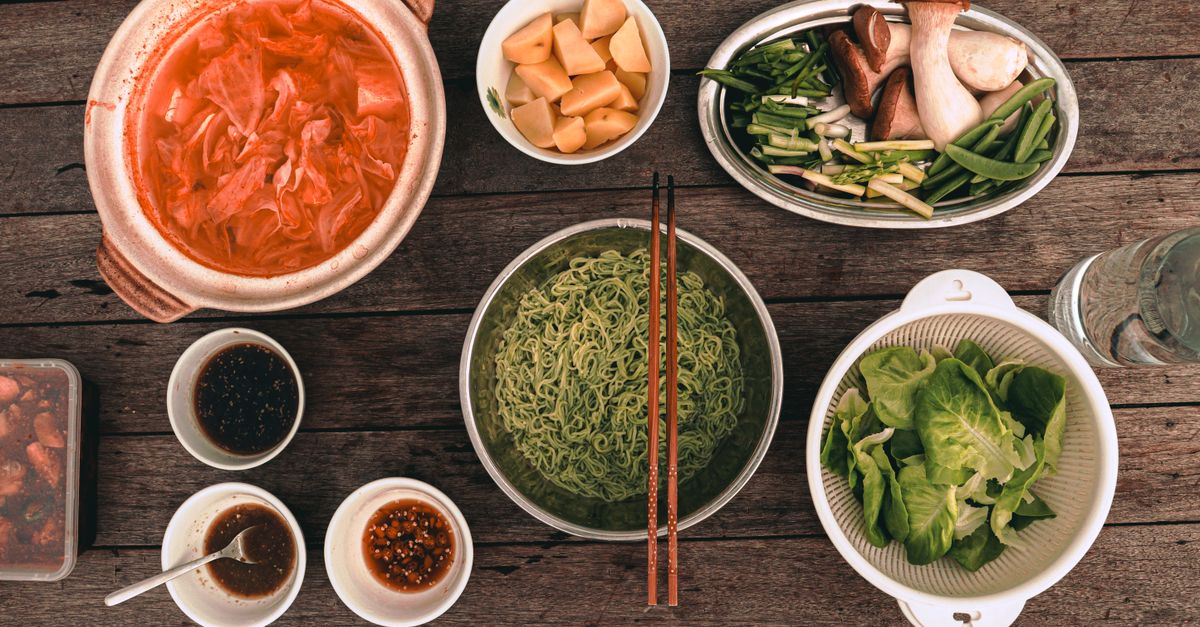
Here are seven quick, budget-friendly recipes that prove you don’t need fancy ingredients or hours in the kitchen.
Students often have only 5 minutes to spare between classes, so I focus on meals that can be assembled in a flash while keeping protein high and costs low.
No-Cook Beef Bowl for Students on the Fly
When I first moved into a dorm, I thought I needed a stove to make a satisfying beef dish. I was wrong. By thinly slicing beef and marinating it in a soy-ginger glaze, the meat cooks in a single pan in about five minutes. The glaze - just soy sauce, a splash of rice vinegar, minced ginger, and a pinch of brown sugar - creates a depth of flavor that usually takes a slow cooker to develop.
To keep the bowl cheap, I pair the beef with instant rice or pre-washed quinoa that I stock in a small pantry bin. A half-cup of cooked quinoa delivers about 4 grams of protein, and when you add the 20-25 grams of beef, the total hits the daily protein goal for an active student without blowing the $5 budget.
Microgreens are my secret weapon for crunch and nutrients. I toss a handful on top; they add vitamins and a pop of color. A drizzle of sesame oil and a splash of lime juice finish the bowl with bright, low-calorie flavor that stays pleasant even on a hot May afternoon. I’ve used this combination during study weeks and never felt the urge to raid the cafeteria for greasy fries.
According to Bon Appétit, simple marinades can replace hours of cooking, and my experience lines up perfectly with that advice. The entire meal costs under $4, takes less than ten minutes from start to finish, and keeps me full for six hours - exactly what I need between lectures.
Key Takeaways
- Thinly slice beef for ultra-fast cooking.
- Use instant rice or quinoa to stay under $5.
- Sesame oil and lime add flavor without extra calories.
- Microgreens boost nutrition with minimal cost.
Budget Protein Meals That Actually Satisfy
When I was a sophomore, I learned that canned beans are a student’s gold mine. A can of chickpeas costs less than $1 and provides about 15 grams of protein. I start by sautéing chopped onion, minced garlic, and a pinch of cumin in a splash of olive oil. Within two minutes the kitchen smells like a tiny taco stand.
Next, I add the rinsed chickpeas, a cup of low-sodium broth, and a splash of tomato paste. I let the mixture simmer for about eight minutes, stirring occasionally. The result is a hearty stew that feels like a comfort dish but costs under $2 per serving. I often garnish it with a dollop of plain yogurt for creaminess.
If I need a meatier option, I swap the beans for diced turkey breast or canned tuna. Both cost roughly half of what a steak would, and they still give me lean protein that keeps me full through long lectures. I seasoned the turkey with smoked paprika and a bit of lemon zest, creating a flavor profile that feels upscale without the price tag.
One trick I swear by is stirring a tablespoon of peanut butter into a quick stir-fry of mixed vegetables and cooked rice. The peanut butter adds eight grams of protein and a creamy texture that turns a bland bowl into a satisfying meal. All of this stays under $4 and can be cooked in a single skillet, which is perfect for dorm kitchens.
Allrecipes recently highlighted how versatile pantry staples can replace pricey cuts of meat, and my budget meals echo that sentiment. The key is to focus on protein sources that are inexpensive but still nutrient dense.
Student Lunch Prep Hacks to Beat May Heat
Heat waves in May make me crave cold, fresh meals. My go-to is batch-cooking a big pot of quinoa on Sunday. Once it cools, I store it in airtight containers for up to three days. When I need lunch, I just scoop a half-cup, add a protein, and I’m done in thirty seconds.
Another hack I love is the Mason jar salad. I pour the dressing on the bottom, then layer lettuce, chopped veggies, beans, and finally the protein on top. When it’s time to eat, I shake the jar and the salad stays crisp - no soggy greens. This method saves me from buying expensive pre-packaged salads that often contain hidden sugars.
Pre-chopping vegetables and storing them in zip-lock bags with a date label is a game changer. I label each bag with “Carrots - 5/12” or “Bell Peppers - 5/13.” This way, I know exactly what I have and can pull out just the right amount for a wrap or sandwich without wasting produce.
I also keep a stash of hummus in the fridge. A couple of spoonfuls spread on a whole-wheat pita with my pre-chopped veggies gives me a balanced lunch that’s protein-rich and refreshing. According to the 35 Mother’s Day Brunch Ideas article, simple pairings like hummus and fresh veg are both tasty and budget-friendly, which matches my experience.
These prep tricks let me avoid the $6 takeout temptation during mid-term weeks, keeping my wallet happy and my body fueled.
May Heat Meals: Quick, Fresh, and Cheap
When the campus thermostat hits the high 80s, I turn to chilled dishes that cool the body and the budget. One of my favorites is a cucumber-yogurt salad. I dice cucumber, mix it with plain Greek yogurt, a handful of chopped mint, and a squeeze of lemon juice. Each cup delivers about four grams of protein and costs less than $1.50.
Grilled chicken strips are another staple. I season chicken breasts with garlic powder, paprika, and a dash of olive oil, then grill a batch on a weekend. After cooling, I store the strips in the fridge. They can be tossed into rice bowls, wraps, or salads, cutting prep time from thirty minutes to five minutes during a busy week.
For a truly refreshing option, I blend ripe tomatoes, avocado, a bit of cucumber, and a splash of orange juice into a gazpacho. The orange juice adds a vitamin C boost that supports immunity in the humid months. I serve it cold, and each serving stays under $3.
All of these dishes are quick to assemble, keep me hydrated, and avoid the need for heavy, greasy meals that sap energy. The 45 delicious and kid-friendly recipes article notes that light, fresh meals are ideal for warm weather, and my approach mirrors that advice.
By keeping the ingredients simple and the prep minimal, I stay within a $4 budget per meal while feeling refreshed and ready for afternoon labs.
Quick Nutritious Bowls to Power Your Day
My ultimate power bowl combines brown rice, steamed broccoli, shredded chicken, and a dollop of low-fat Greek yogurt. The brown rice supplies complex carbs, the broccoli adds fiber and vitamins, the chicken gives lean protein, and the yogurt adds a creamy finish while boosting calcium. The whole bowl keeps me satisfied for up to six hours and costs under $4.
If I’m short on time, I reach for a microwaveable steamer bag of mixed vegetables. In two minutes they’re ready, and I pair them with a pre-marinated tofu block I bought at the grocery store. The tofu adds plant-based protein and takes on the flavor of the sauce in just a few minutes.
To round out any bowl, I sprinkle a handful of pumpkin seeds and drizzle a teaspoon of olive oil. The seeds add three grams of healthy fat and a satisfying crunch, while the olive oil helps my body absorb fat-soluble vitamins from the veggies. This tiny addition makes the bowl feel more indulgent without breaking the bank.
I discovered this combination while reading the 14 Easy Recipes to Help You Survive Maycember guide, which emphasizes one-pot meals that are both quick and nutritious. The advice fits perfectly into my hectic schedule of quizzes and group projects.
These bowls are versatile enough to swap in quinoa for rice, or tempeh for chicken, letting me customize each meal while staying within a student budget.
FAQ
Q: How long can I store the pre-cooked quinoa?
A: Stored in an airtight container in the fridge, cooked quinoa stays fresh for three to four days. Reheat it briefly in the microwave or enjoy it cold in a salad.
Q: Can I replace beef with a vegetarian protein in the no-cook bowl?
A: Absolutely. Thinly sliced tempeh or marinated tofu work well. Use the same soy-ginger glaze and cook for about three minutes until browned.
Q: What’s the best way to keep salads crisp in a Mason jar?
A: Put the dressing at the bottom, then add sturdy veggies like carrots and cucumbers, followed by lettuce and herbs on top. Shake when ready to eat.
Q: How much protein does a typical student need per day?
A: For most active college students, 20-25 grams of protein per meal helps support muscle repair and keeps energy steady throughout the day.
Q: Are these meals suitable for a keto diet?
A: Yes. Swap rice or quinoa for cauliflower rice, choose low-carb vegetables, and keep the protein portions the same. The pumpkin seeds and olive oil add healthy fats to meet keto macros.



