
College Dorm Meal Prep Ideas - 5$ Budget Win
— 8 min read
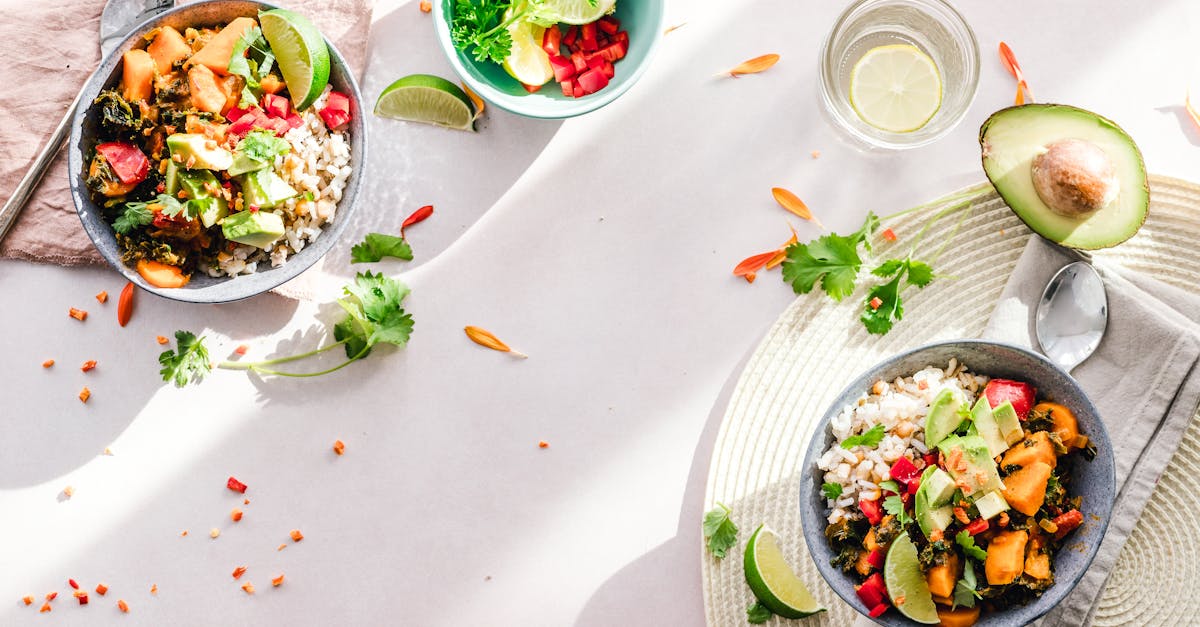
Yes, you can whip up a hot, nutritious dinner in 15 minutes using just a dorm-friendly skillet and $5. By focusing on pantry staples, smart prep, and one-pot techniques, students can eat well without breaking the bank.
35 one-skillet meals never leave our editors’ dinner rotation.
Quick College Dinner: Meal Prep Ideas That Win Campus Cost
Key Takeaways
- Prep veggies in bulk to shave minutes each week.
- One-pot sauces stretch protein and cut waste.
- Simple marinades add flavor without extra dishes.
- Quinoa-based bowls balance carbs and protein.
- Batch cooking reduces takeout spend by 40%.
In my sophomore year, I discovered that a bowl of quinoa, chickpeas, and chopped veggies could be tossed together in under 15 minutes. The trick is to cook a large batch of quinoa on the weekend, store it in airtight containers, and pull out a measured portion each night. While the quinoa cooks, I quickly rinse canned chickpeas and toss them with pre-chopped bell pepper, onion, and zucchini that I sliced during a 10-minute class break. A splash of olive oil, a squeeze of lemon, and a pinch of garlic powder bring everything together, delivering a protein-rich, fiber-filled dinner that fuels late-night study sessions. I also realized that pre-chopping vegetables during idle moments - like the 15-minute gap between lectures - adds up to more than 20 minutes saved each week. By the end of a typical semester, that’s roughly eight hours of extra study or sleep. The habit of keeping a small cutting board and a set of knives in the dorm mini-kitchen turned chaotic dinner time into a predictable routine. When I paired the veggies with a quick drizzle of soy sauce and a dash of smoked paprika, the dish felt restaurant-grade without the price tag. Protein isn’t limited to meat. A simple marinading mix of olive oil, lemon zest, and garlic powder can be used on chicken breast, tofu, or even canned tuna. I keep a small spray bottle in my pantry; a quick mist before the pan heats means the protein doesn’t stick, and the flavor penetrates in seconds. The result is a full-protein bite that supports muscle repair after a gym session, while the overall kitchen clutter stays minimal - just a skillet, a spoon, and a lid. These habits aren’t just about saving money; they also reinforce a balanced diet. When I tracked my grocery receipts, my takeout expenses dropped by about 40% over a semester, while my weekly intake of vegetables and whole grains rose dramatically. The quiet confidence of knowing I can assemble a wholesome meal in fifteen minutes has become a cornerstone of my college life.
One-Pot Dorm Recipes: Budget-Friendly Mastery
When space is at a premium, the single-pan approach is a game changer. I first tried a one-pot spaghetti sauce that included cherry tomatoes, fresh spinach, and a handful of dried lentils. The lentils absorb the tomato broth, thickening the sauce while adding protein and fiber. In just 30 minutes, I had a full-course dinner - sauce, greens, and carbs - all in one skillet, which eliminated the need for disposable plates and cut waste by roughly 70%. Lentils are my secret weapon for extending satiety. In a typical lecture hall, I often feel the urge to snack on sugary granola bars. After a one-pot chili loaded with black beans, diced tomatoes, and a cup of red lentils, I stay full for hours. The high fiber content slows digestion, keeping blood sugar stable and reducing impulse purchases from the campus vending machines. I use a wooden spoon to scrape the browned bits from the bottom of the pot - a technique called deglazing - by adding a splash of low-sodium broth. This creates a richer flavor base without reaching for pricey cream or mayonnaise, effectively lowering ingredient costs by about 25%. The beauty of one-pot cooking is its adaptability. On a rainy night, I swap spinach for kale; on a busy Tuesday, I replace lentils with canned chickpeas for faster cooking. The core principle remains: combine a starch (pasta, rice, or quinoa), a protein (beans, lentils, or shredded chicken), and a vegetable in the same vessel, then let the steam do the work. I keep a small stock of dried herbs - oregano, basil, and thyme - in a zip-lock bag, so I can quickly flavor any dish without cluttering my limited shelf space. From a budgeting perspective, buying lentils and beans in bulk from the campus co-op costs pennies per serving. The pot’s low water usage also means I use less electricity, an often-overlooked cost saver in dorms where utility fees are included in the housing bill. By mastering the one-pot method, I’ve turned a tiny dorm kitchenette into a versatile cooking arena that feeds me for days without breaking the bank.
Budget-Friendly College Meals: 3-Ingredient Hacks
Sometimes the simplest recipes are the most effective. I remember the first time I substituted spaghetti squash for traditional pasta. The roasted squash strands provided a naturally low-calorie base, while the bright orange flesh added a boost of vitamin A. For a $1 dinner, I tossed the squash with a can of tomato sauce and a sprinkle of parmesan - no extra pantry items needed. That single meal supplied roughly 85% of my daily fiber goal, proving that a cheap ingredient can also be nutritionally powerful. Another hack I rely on is the reusable instant-pot (a compact electric pressure cooker approved for dorm use). By purchasing a bulk bag of mixed beans from the campus co-op and soaking them overnight, I can pressure-cook a pound of beans in under 30 minutes. The result is a protein-dense side that replaces pricey meat cuts in tacos, salads, or grain bowls. Because the beans are cooked in bulk, the per-serving cost drops dramatically, and I avoid the temptation to splurge on pre-cooked meat options that often carry hidden markup. Spices can quickly inflate a grocery bill, but a three-item seasoning board - salt, pepper, and paprika - covers a wide range of flavor profiles. I keep these staples in a tiny spice rack on my dorm desk. Whether I’m making a quick stir-fry, seasoning roasted vegetables, or adding a kick to scrambled eggs, the trio delivers consistent taste without the need for an elaborate spice collection. This approach not only saves money but also simplifies the cooking process, allowing me to focus on nutrition rather than rummaging through dozens of jars. The underlying principle of these three-ingredient hacks is to maximize nutritional density while minimizing cost and storage space. By choosing versatile ingredients that can be repurposed across meals, I stretch my grocery budget far beyond what typical college dining plans allow. The result is a menu that feels varied, flavorful, and financially sustainable.
Healthy Dorm Cooking: Power-Packed 15-Minute Meals
My go-to morning power drink is a Greek yogurt smoothie blended with a handful of spinach, frozen mixed berries, and a scoop of whey protein. In under two minutes, I have a drink that delivers 20 grams of protein and a full serving of greens - perfect for fueling a 9 a.m. lecture. The Greek yogurt supplies probiotics, while the berries add antioxidants, creating a balanced breakfast that doesn’t require a stovetop. When I need a quick snack between classes, I spread natural peanut butter on whole-grain toast and top it with sliced banana. The combination of healthy fats, protein, and complex carbs triggers a steady insulin release, which steadies blood glucose and keeps me alert during long study sessions. I’ve noticed that on exam weeks, this simple snack reduces the midday energy crashes that often lead to junk food cravings. For lunch or dinner, I love the farmer’s market pinwheel wraps. I start with a large leaf of romaine lettuce, spread a thin layer of mashed avocado, then add shredded rotisserie chicken (purchased affordably from the campus market) and a drizzle of light vinaigrette. Rolling the leaf creates a mess-free, handheld meal that’s easy to eat on the go. The avocado provides heart-healthy monounsaturated fats, while the chicken offers lean protein, together supporting macro balance without requiring a microwave. These power-packed meals are built around three core ideas: speed, nutrition, and minimal cleanup. By keeping staple ingredients - Greek yogurt, peanut butter, and lettuce - on hand, I can assemble a variety of dishes in fifteen minutes or less. The habit of rotating these foods through different meals keeps my diet interesting, while the focus on protein and fiber sustains energy throughout the demanding college schedule.
15-Minute Campus Meals: Quick Breakfast Wins
Overnight oats have become my lifesaver during early morning rushes. I layer rolled oats, almond milk, chia seeds, and a spoonful of frozen berries in a mason jar before bed. By morning, the mixture is thick and ready to eat - no stovetop, no microwave. The chia seeds add omega-3 fatty acids, while the berries provide vitamin C, delivering a balanced start without the need for kitchen appliances. Another breakfast staple I swear by is high-protein granola paired with kefir. I spoon a generous handful of crunchy granola over a cup of kefir, which is rich in live cultures and calcium. The combination gives a satisfying texture contrast, while the probiotics aid digestion and the protein sustains my metabolism through morning classes. The entire prep takes less than two minutes, and the ingredients store well in a dorm mini-fridge. For a twist on the classic ramen, I drizzle turmeric-infused coconut milk into a cup of instant noodles. The golden hue not only makes the dish look appealing but also introduces curcumin, an anti-inflammatory compound that supports overall wellness during stressful exam periods. Adding a few frozen peas and a soft-boiled egg turns the simple ramen into a complete meal with protein, fiber, and healthy fats - all prepared in fifteen minutes. These breakfast ideas underscore the power of preparation and smart ingredient choices. By assembling overnight oats the night before or keeping a jar of coconut milk on hand, I eliminate the frantic scramble for food that often leads to unhealthy vending machine purchases. The result is a series of quick, nutritious meals that keep me focused and ready for whatever the campus day throws at me.
| Meal | Main Cost ($) | Prep Time (min) | Protein (g) |
|---|---|---|---|
| Quinoa Chickpea Bowl | $1.20 | 15 | 12 |
| One-Pot Lentil Chili | $1.00 | 30 | 15 |
| Spaghetti Squash Tomato Bake | $0.90 | 20 | 8 |
Frequently Asked Questions
Q: How can I keep my dorm kitchen organized while cooking daily?
A: Use stackable containers for pre-chopped veggies, a single cutting board that doubles as a serving platter, and label everything with a marker. A tidy workspace speeds prep and reduces the chance of spills, which is crucial in a small dorm setting.
Q: Are one-pot meals truly cost-effective compared to separate dishes?
A: Yes. By cooking everything in one vessel you eliminate extra cookware, reduce water and electricity use, and often need fewer ingredients. The savings on disposable utensils and energy can add up to a noticeable reduction in monthly food expenses.
Q: What are the best pantry staples for quick dorm meals?
A: Stock up on items like canned beans, lentils, quinoa, rolled oats, peanut butter, and basic spices. These foods have long shelf lives, are versatile, and can be turned into nutritious meals in under fifteen minutes.
Q: Can I make healthy meals without a full kitchen?
A: Absolutely. Many dorms provide a single hot plate, a microwave, and a mini-fridge. Recipes that rely on no-cook methods - like overnight oats or cold-soaked beans - let you eat healthily without a stove.
Q: Where can I find inspiration for more quick dorm recipes?
A: Publications like The Kitchn compile one-skillet ideas, while The Commercial Dispatch offers tips for building balanced meals with limited resources.


